Curiosity-driven baking classes rooted in food, culture, and science

Baking has long been a way humans make sense of the world; transforming simple ingredients into nourishment, tradition, and connection. Across cultures and generations, breads, pastries, and baked goods have carried stories of place, resourcefulness, and care. At Breaducated, we believe baking is a powerful lens through which to explore science, history, and culture. By engaging with dough, grains, and technique, we create opportunities to learn, ask questions, and build community while using food as both a classroom and a conversation.
Breaducated uses baking, bread and beyond, as a hands-on way to explore science, history, and culture.
What We Do
Community Engagement
Community is not an add-on at Breaducated, it is the foundation of our work. We partner with community centers, schools, and families to bring hands-on, baking-based learning into spaces where curiosity and access matter most. By meeting learners where they are; across ages, backgrounds, and experience levels; we use food as a shared language to explore science, history, and culture. Our goal is not just skill-building in the kitchen, but confidence, critical thinking, and connection that extends far beyond it.

Emphasis on Education
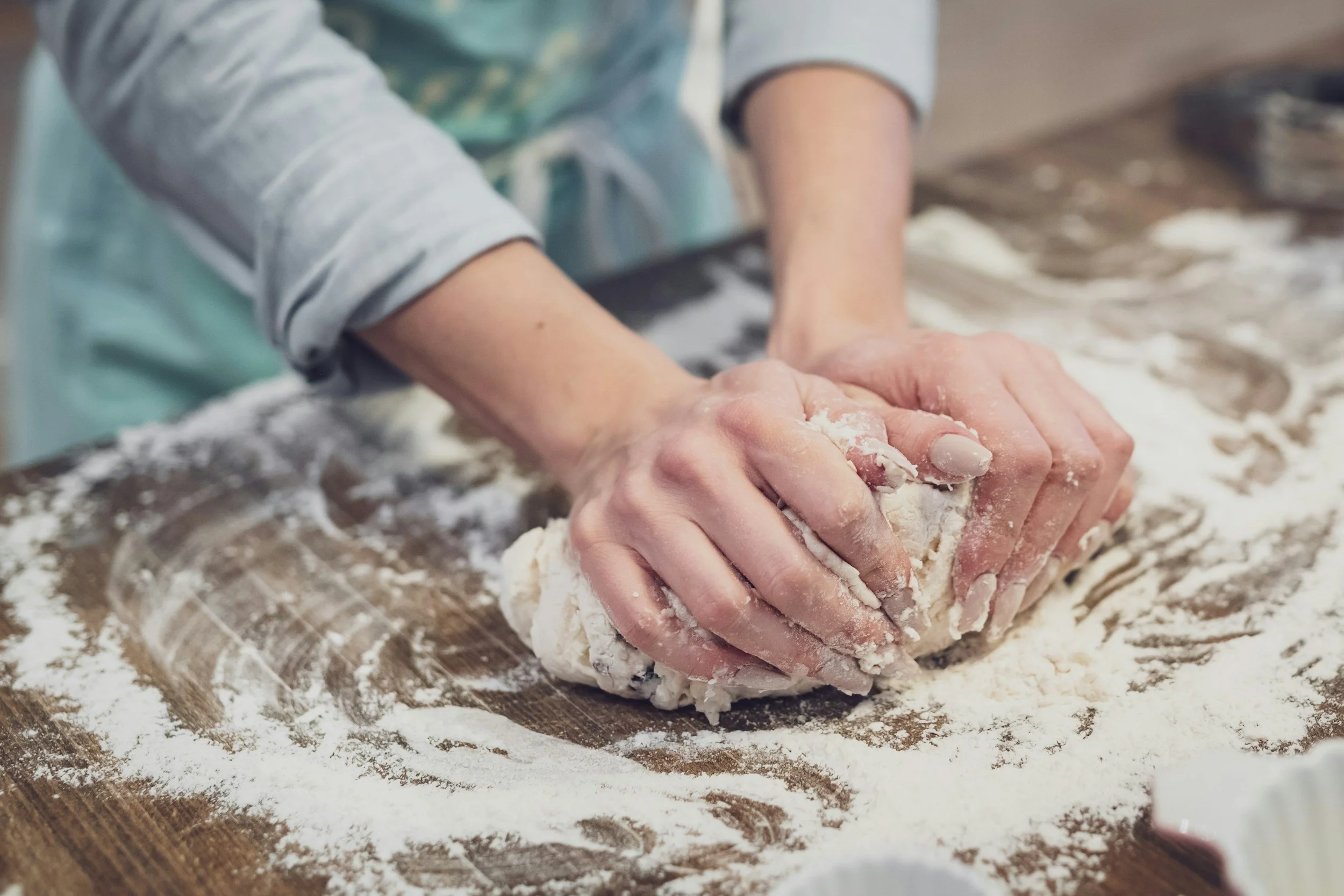
At Breaducated, we care as much about why baking works as we do about how it happens. Every lesson is designed to connect hands-on practice with the broader systems behind it, drawing from history, science, and anthropology to deepen understanding. Whether we’re tracing the cultural roots of brioche or examining how gluten proteins develop during kneading, baking becomes a way to ask better questions, think critically, and engage more fully with the world around us.
Fostering Creativity
Creativity at Breaducated is not about decoration or perfection: it’s about curiosity, experimentation, and personal expression. We design our classes to encourage conversation, collaboration, and thoughtful exploration, using baking as a medium for creative problem-solving. From shaping dough to making intentional choices about ingredients and technique, creativity becomes a way for students to engage more deeply with the process, finding meaning, beauty, and joy in the work itself.